What Happens to Your Emotions After Childbirth
August 18, 2026
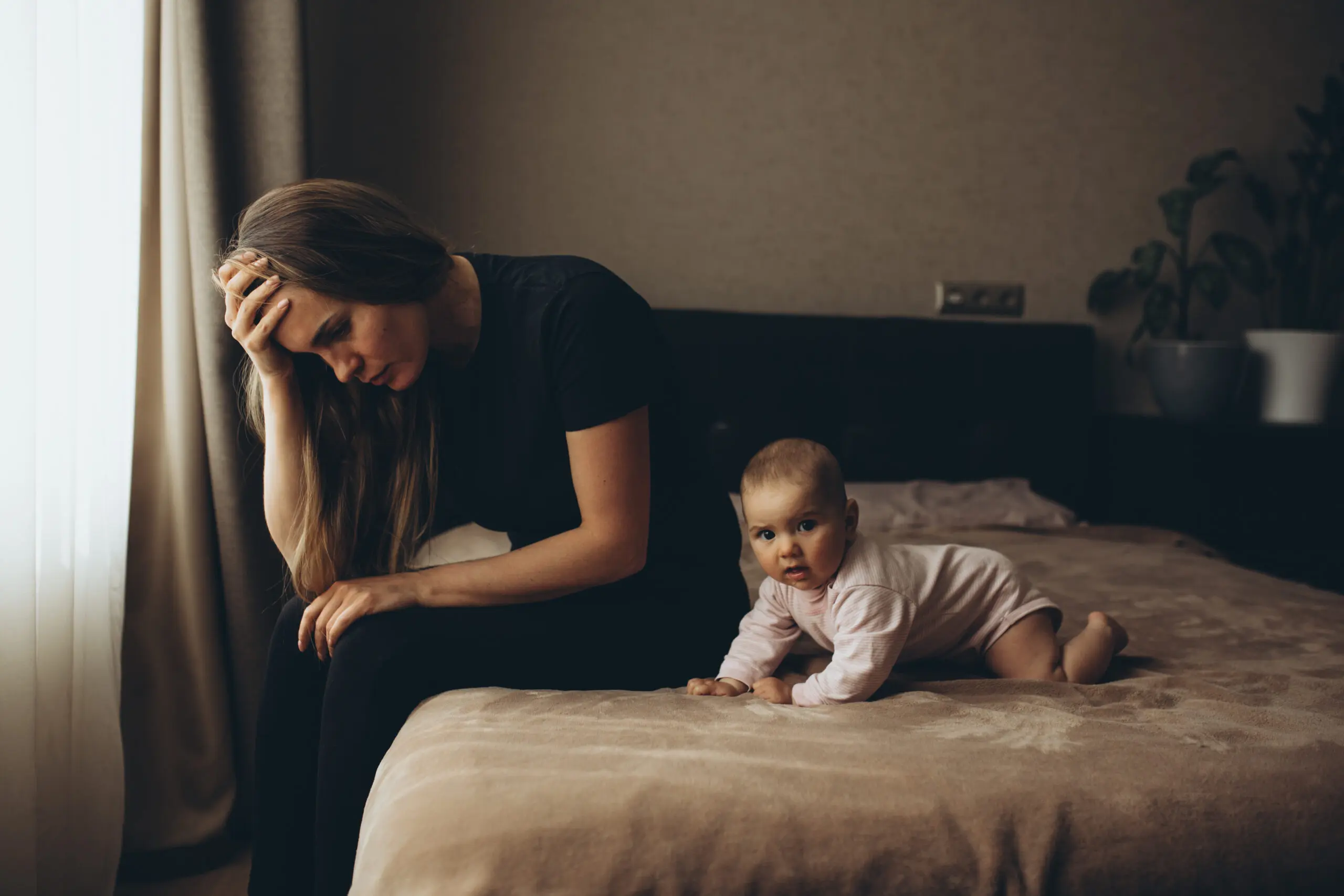
Childbirth is often described as one of life’s happiest moments. And for many, it is. But it’s also one of the most dramatic biological, psychological and social transitions a person can experience, and the emotional reality of the postpartum period doesn’t always match the picture we’re given.
Within hours of delivery, hormones that were extraordinarily elevated during pregnancy begin shifting rapidly. At the same time, a new parent may be recovering physically from birth, sleeping in short stretches, learning to feed and care for a newborn, and adjusting to an entirely new identity. That’s a lot to carry, all at once.
For some people, the emotional effects are mild and temporary. For others, the postpartum period can bring significant depression, anxiety, obsessive thoughts or, in rare cases, postpartum psychosis. Understanding what’s happening in your body and mind, and knowing when to ask for help, can make a real difference.
This blog draws on information from Amy Tracy, Program Manager for Clinical Education at St. Simons By-The-Sea, along with research from the American College of Obstetricians and Gynecologists (ACOG), the National Institute of Mental Health (NIMH) and peer-reviewed forensic mental health research.
How Do Postpartum Hormones Affect Your Emotional Well-Being?
During pregnancy, estrogen and progesterone rise dramatically. After the placenta is delivered, both hormones fall rapidly. The American College of Obstetricians and Gynecologists (ACOG) notes that this sharp hormonal shift is one of several factors believed to contribute to postpartum depression.
Researchers have also become increasingly interested in allopregnanolone, a neuroactive steroid derived from progesterone that interacts with the brain’s GABA system, which helps regulate mood, anxiety and the body’s response to stress. Levels of this steroid fall significantly around childbirth, and research into this pathway contributed to the development of medications designed specifically to treat postpartum depression.
That said, postpartum mental health isn’t simply a matter of having “too many” or “too few” hormones. According to the National Institute of Mental Health (NIMH), perinatal depression is shaped by a combination of genetic, environmental, biological, hormonal and psychological factors. Sleep deprivation, physical recovery, a history of depression or bipolar disorder, trauma, relationship stress and limited support can all interact with hormonal vulnerability.
That’s why two people can experience nearly identical hormonal changes after delivery and have completely different emotional experiences. You are not your hormone levels alone.
What’s the Difference Between Baby Blues and Postpartum Depression?
Postpartum emotional symptoms exist on a spectrum, from mild to more serious, and it helps to know where one ends and the other begins.
Baby blues: These commonly begin within the first few days after delivery. You may cry easily, feel easily irritated or anxious, have trouble sleeping and question whether you can handle parenthood. These symptoms typically improve within a few days to about two weeks.
Postpartum depression: When symptoms are intense, worsening or continue beyond about two weeks, they deserve closer attention. According to ACOG, postpartum depression can begin anytime during the first year after childbirth and may last considerably longer without treatment.
NIMH identifies the following as possible symptoms of perinatal depression:
- Persistent sadness or anxiety
- Irritability or guilt
- Hopelessness or fatigue
- Sleep concerns, even when the baby is sleeping
- Difficulty concentrating
- Changes in appetite
- Difficulty bonding with the baby
- Persistent doubts about your ability to care for your baby
It’s also worth noting that frightening intrusive thoughts are not automatically a sign of psychosis. People with postpartum anxiety or obsessive-compulsive symptoms may be distressed by unwanted thoughts while recognizing that those thoughts are irrational. Psychosis involves a much more significant disruption in a person’s ability to distinguish reality from false beliefs or perceptions, and that distinction should be evaluated by a qualified mental health professional when symptoms are concerning.
What Physical Symptoms Can Postpartum Hormonal Changes Cause?
The postpartum body is recovering from both pregnancy and childbirth, so symptoms aren’t always purely emotional. You may notice fatigue, changes in appetite or weight, sleep disturbances, headaches, changes in libido, vaginal dryness, breast changes and temperature fluctuations.
Night sweats are particularly common in the early postpartum period. As estrogen and progesterone drop and the body eliminates excess fluid, significant nighttime sweating can occur. Breastfeeding may prolong some of these low-estrogen symptoms because prolactin helps suppress estrogen levels.
Another condition worth knowing about is postpartum thyroiditis. According to the American Thyroid Association, thyroid changes can occur several months after childbirth. An early phase may cause anxiety, irritability, insomnia, heart palpitations and fatigue. A later phase can bring depression, fatigue, weight gain and dry skin. Because these symptoms can look remarkably similar to postpartum depression or simply the exhaustion of new parenthood, people experiencing persistent symptoms may benefit from both medical and psychological evaluation.
How Does Breastfeeding Affect Postpartum Hormones and Mental Health?
The relationship between breastfeeding and postpartum mental health is more layered than it’s often portrayed. Breastfeeding stimulates both prolactin and oxytocin. Prolactin supports milk production while oxytocin contributes to the “let-down” reflex. Research has associated lactation-related hormonal responses with relaxation and changes in the maternal stress response.
For some people, breastfeeding feels calming, emotionally rewarding and supportive of bonding. For others, it can become a major source of distress. Pain, difficulty latching, concerns about milk supply, pumping schedules, pressure to breastfeed and severe sleep deprivation can all worsen anxiety or depression.
Research suggests a bidirectional relationship: mental health can affect breastfeeding, and breastfeeding experiences can affect mental health. A fed baby and a psychologically supported parent are both important. A mother’s mental health should never be treated as secondary to a particular feeding method.
When Should You Talk to a Healthcare Professional?
You don’t have to wait until symptoms become severe. Talking with an obstetric provider, primary care clinician or mental health professional sooner rather than later can open the door to support before things intensify.
Consider reaching out when:
- Depression or anxiety continues beyond about two weeks
- Symptoms are becoming more intense rather than improving
- Anxiety is preventing sleep even when there’s an opportunity to rest
- Anger or irritability feels difficult to control
- You feel persistently disconnected from your baby
- You feel hopeless, worthless or unable to function
- Intrusive thoughts are frequent or frightening
- You’re unable to complete basic daily tasks or care for yourself
- Family members notice a significant change in your personality or behavior
- Symptoms appear months after delivery, around weaning or after breastfeeding changes
- Physical symptoms raise concerns about thyroid function, anemia or another medical condition
ACOG recommends screening for depression and anxiety during pregnancy and the postpartum period, with postpartum care assessing emotional well-being, sleep, fatigue, infant feeding and physical recovery, not simply whether the body has healed from childbirth.
Frequently Asked Questions
How long do postpartum hormones affect emotions?
There’s no single timeline. Many reproductive hormones begin moving toward pre-pregnancy levels within the first several weeks after birth. However, breastfeeding extends that timeline by keeping prolactin elevated and estrogen relatively suppressed. Emotionally, recovery depends on far more than hormone levels alone. A better question than “When will her hormones be back to normal?” may be: Are symptoms improving, staying the same or getting worse?
What’s the difference between postpartum baby blues and postpartum depression?
Baby blues typically begin within the first few days after delivery and resolve within about two weeks. Postpartum depression is more persistent, more intense and can begin anytime during the first year. According to ACOG, postpartum depression most commonly begins within the early weeks or months but can occur throughout that first postpartum year.
Can postpartum depression affect people who had uncomplicated pregnancies?
Yes. Postpartum depression can affect any birthing parent, regardless of how the pregnancy or delivery went. According to NIMH, perinatal depression is shaped by a combination of biological, hormonal, genetic, environmental and psychological factors. A smooth pregnancy doesn’t rule out a difficult postpartum period.
Are intrusive thoughts after childbirth a sign of postpartum psychosis?
Not necessarily. Intrusive or frightening thoughts are a common feature of postpartum anxiety and obsessive-compulsive symptoms. People experiencing these thoughts are typically distressed by them and recognize they’re irrational. Postpartum psychosis involves a much more significant break from reality and is considered a mental health emergency. If you’re unsure, speaking with a mental health professional can help clarify what you’re experiencing.
When should I seek help for postpartum emotional symptoms?
You don’t need to wait until symptoms feel unbearable. If depression or anxiety lasts beyond two weeks, symptoms are worsening, you’re having difficulty bonding with your baby, or you feel hopeless or unable to function, it’s worth talking to a healthcare or mental health professional. Early support can make a meaningful difference in recovery.
You Don’t Have to Figure This Out Alone
Understanding what happens hormonally and emotionally during the postpartum period doesn’t eliminate the difficulty. But it does normalize it. What you’re experiencing has a name. It has a biological explanation. And it has treatment options that can help.
With proper screening, compassionate care and access to support, parents can move through this transition and find steadier ground. The first step is simply acknowledging that what you’re feeling matters, and that asking for help is not a sign of weakness. It’s a sign that you’re paying attention.
If you’d like to schedule an appointment, visit our services page or give us a call at 912-638-1999.