Is Your Child Being Emotionally Bullied at School?
August 6, 2026

Friendships are an important part of growing up but they aren’t always easy. Between the ages of 10 and 17, many people experience friendship conflicts that go beyond occasional disagreements. Repeated exclusion, gossip, manipulation or emotional bullying can have a lasting impact on a child’s confidence and mental health.
People may refer to this as “mean girl” behavior based on the movie of the same name. While it may seem like a typical friendship drama, research shows that ongoing emotional bullying can affect how a child feels about themselves, their relationships and even their desire to attend school or participate in activities they once enjoyed.
How to Recognize “Mean Girl” Behavior in Kids and Teens
Unlike physical bullying, certain mean girl attitudes may be referred to as relational aggression and are intended to damage someone’s friendships, reputation or sense of belonging.
Relational aggression (also known as social bullying) involves trying to change a person’s standing within a friend group or social status. Those who engage in it may aim to gain power, control and social standing among peers. This type of bullying can happen subtly, making it difficult for adults or teachers to recognize or assist.
Examples of social bullying may include:
- Leaving someone out on purpose
- Spreading rumors or gossip
- Giving the silent treatment
- Encouraging others not to be friends with someone
- Creating exclusive group chats or intentionally excluding others
- Mean comments or embarrassment on social media
- Manipulation or controlling behavior within friendships
Although these behaviors may seem small individually, repeated emotional exclusion can significantly affect a child’s confidence and mental health.
Signs your teen may be getting socially bullied
Children and adolescents naturally look to their peers for acceptance, belonging, and support. When those relationships become unhealthy, it can feel overwhelming. Between the ages of 10 and 17, friendships become an important part of a child’s identity.
A child experiencing friendship bullying may begin asking themselves things like, “Why doesn’t anyone like me?” or “Will I ever fit in?”
Over time, these thoughts can contribute to anxiety, depression and lower self-esteem if left unaddressed. Not every child will tell a parent what’s happening, of course. These signs don’t always mean bullying is occurring but they may deserve a conversation.
Instead, you may notice changes in your teen, such as:
- Suddenly not wanting to attend school or activities
- Crying after using social media or texting friends
- Changes in eating or sleeping habits
- Withdrawal from family or friends
- Declining grades
- Increased anxiety or irritability
- Loss of confidence
- Talking negatively about themselves
Helpful ways for parents to listen and guide
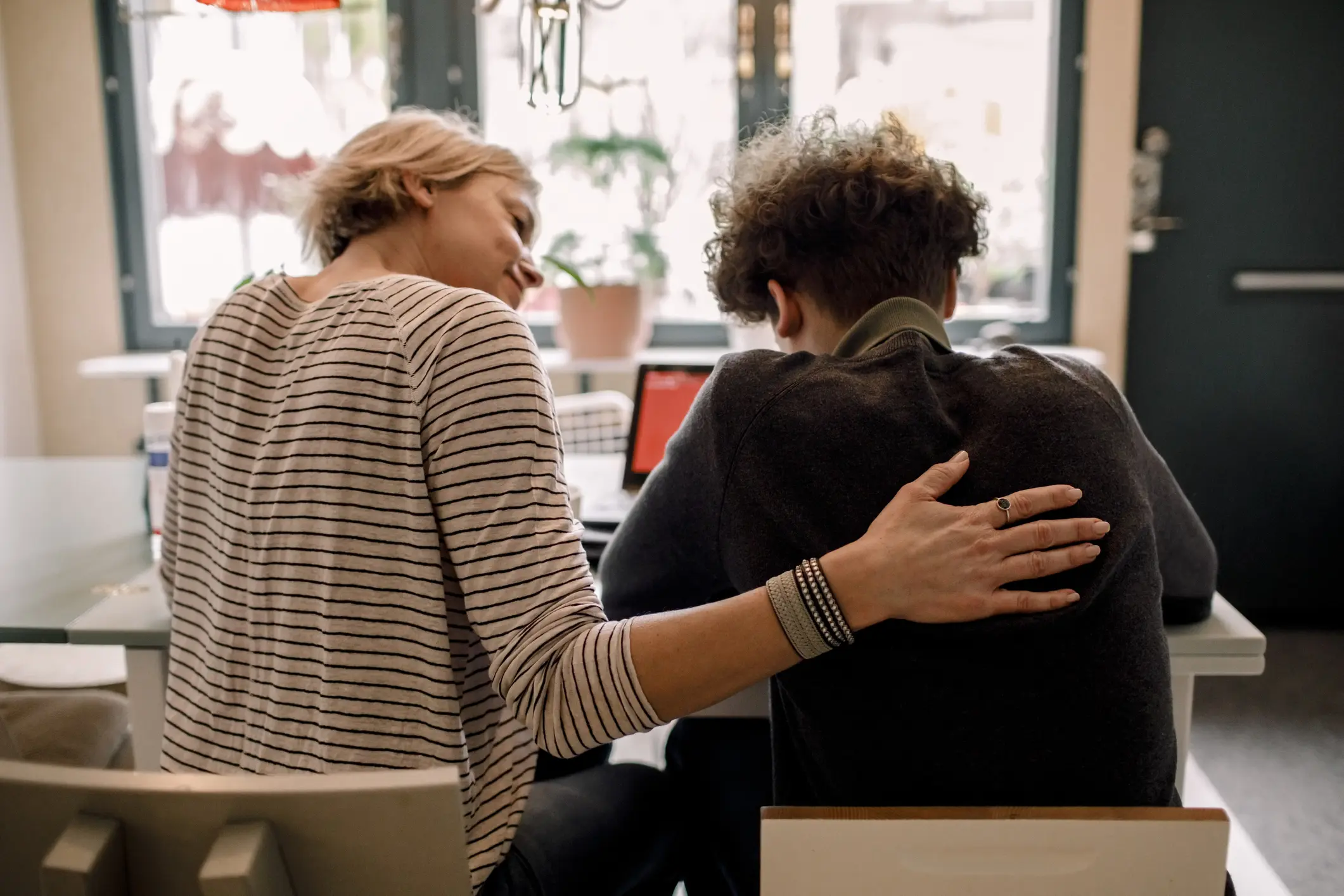
When children experience friendship struggles, it’s natural for parents to want to fix the problem immediately. Instead, begin by listening. Thoughtful and loving strategies for emotionally supporting your child can include:
- Asking open-ended questions
- Validating their feelings without minimizing
- Avoiding contacting another parent until you understand the full situation
- Encouraging healthy friendships outside the current social group
- Monitoring social media and texting habits
- Partnering with teachers or school counselors when appropriate
- Reminding your child that one friendship does not define their worth
Helping children build confidence and healthy coping skills can reduce the long-term effects of friendship or relational bullying. If your child’s mood, behavior or emotional health continues to decline, professional behavioral health support may help them develop healthy coping skills and rebuild confidence.
While friendship challenges are a normal part of growing up, persistent emotional bullying can have a lasting impact on mental health. Recognizing the signs early allows families to provide support before small struggles become larger concerns.
Frequently Asked Questions
Contact Saint Simons by-the-Sea in Southern Georgia
Call 800-821-7224 to learn more or complete our secure online contact form. We can provide level-of-care behavioral health assessments for children and adolescents who may be experiencing anxiety, depression, dual diagnosis and other mental health concerns.